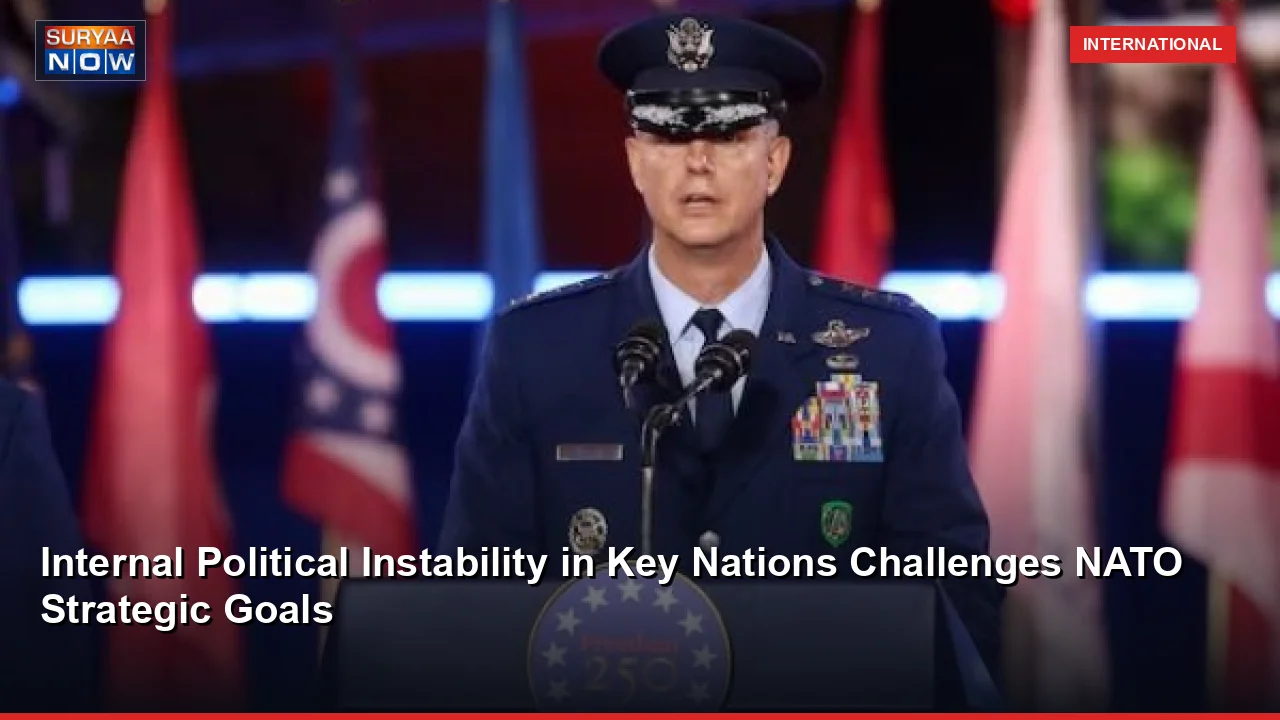
Suryaa International Desk: Internal political instability within Western nations is posing a significant challenge to the new plans and long-term strategies of NATO. Diplomatic sources have expressed concern that shifting political equations, leadership crises, and uncertainty regarding the survival of governments in the United States, France, and Germany are obstructing the implementation of NATO's defense objectives. This political deadlock has become a subject of discussion at a time when the alliance aims to strengthen itself to address the growing security threat from Russia.
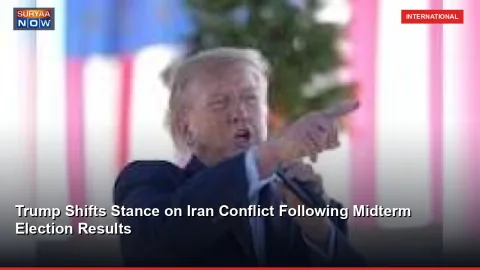
In the United States, political changes following recent midterm election results have created differences between the ruling party and the opposition in Congress. These divisions may impact defense budget allocations and the funding provided to NATO. Meanwhile, in Europe, Germany and France are facing severe political crises. In Germany, political instability has slowed critical defense reforms, while in France, government spending controls and internal political strife are affecting NATO plans.
Although NATO regulations require member countries to allocate a specific percentage of their GDP to defense, economic and political challenges in these nations are undermining those targets. Despite rising tensions on Eastern European borders, domestic pressure on governments to reduce spending is disrupting NATO's collective strategies. These developments have caused concern among smaller member nations.
Analysts suggest that NATO leaders must set aside internal differences and demonstrate unity to address global security challenges. They warn that failure to do so risks weakening the alliance's primary goals of defense and the protection capabilities of its members. The future of NATO depends on how the political leadership of these three nations responds in the coming period.